

IMPORTANT - If you are using a Tablet or phone to visit this site, (Android in particular), please right click to open the stories, to avoid Substack taking you to a ‘Join Substack’ page. It is not my intention to have anyone join substack, nor is it necessary to be able to read the stories. Just long press or right click to open them in a new window.
Hello, Across the Silver Line — A novella about two women, a century apart, who find each other through an ordinary object in a Bath flat. Read the opening here. The full novella is available as an ebook with two other stories.
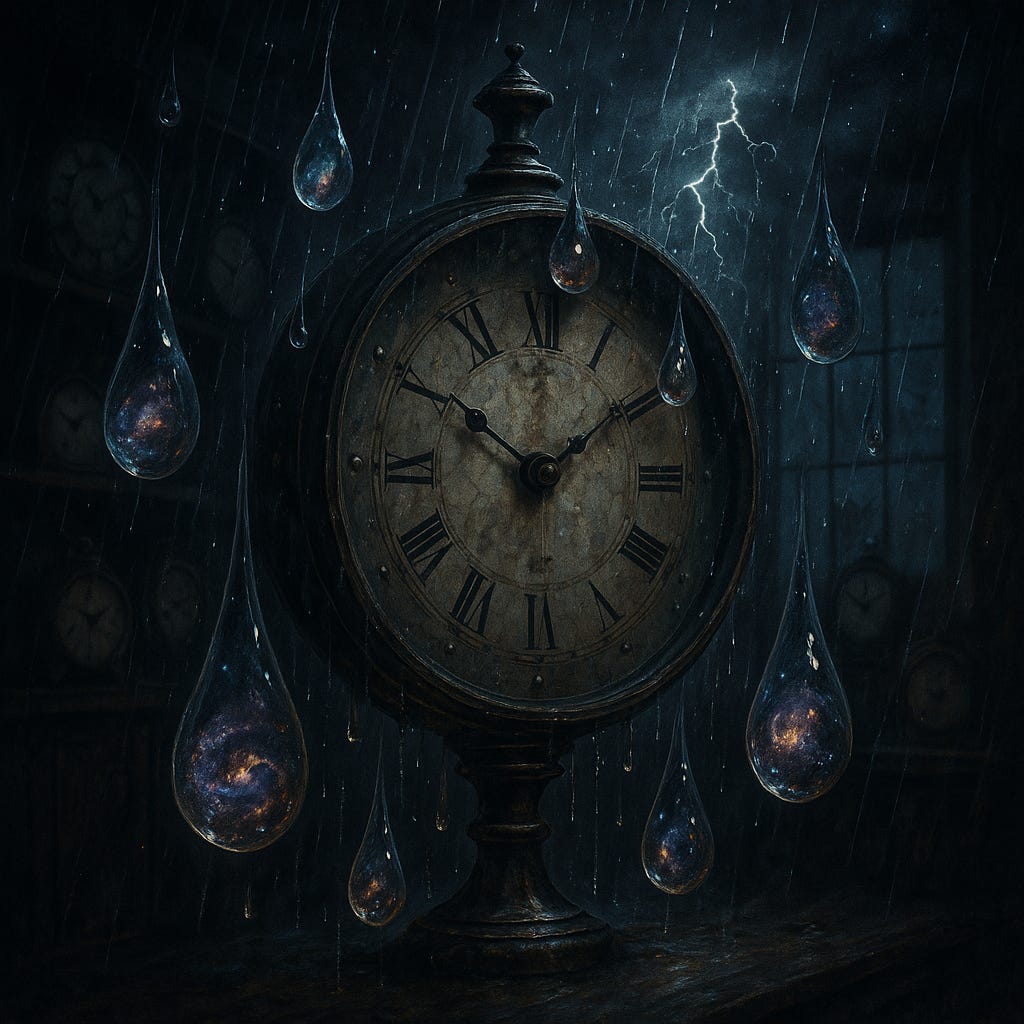
The Rain Clock
A woman steps into an abandoned clockmaker's shop during a storm and finds glass orbs that hold captured moments — including the last day she saw her missing brother.
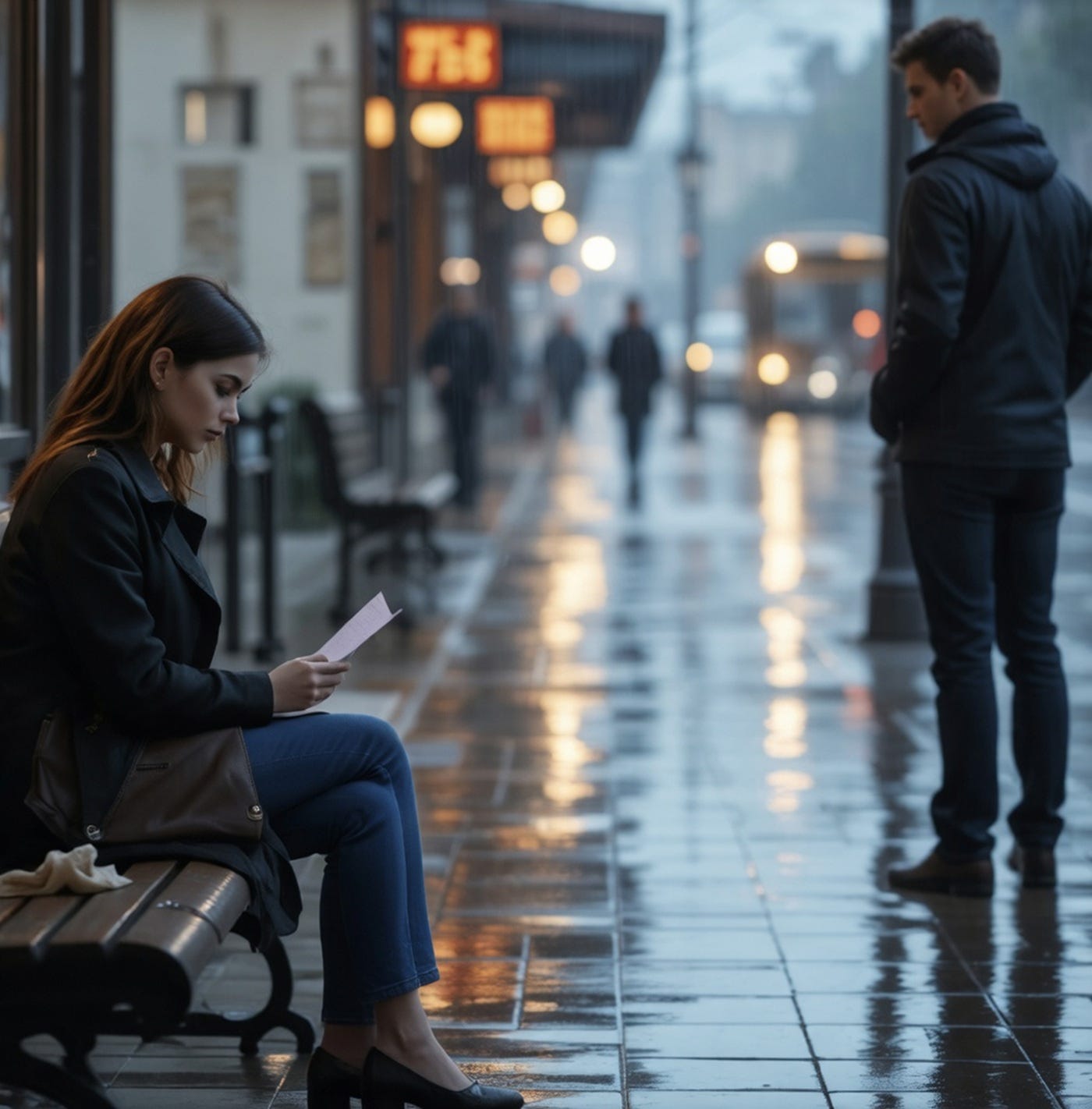
The Letter in the Grey
Twenty-seven years after losing Louise, Matthew's evening tram delivers him back to the night before her death — not as a rescuer, but as a witness with one chance to leave a message.
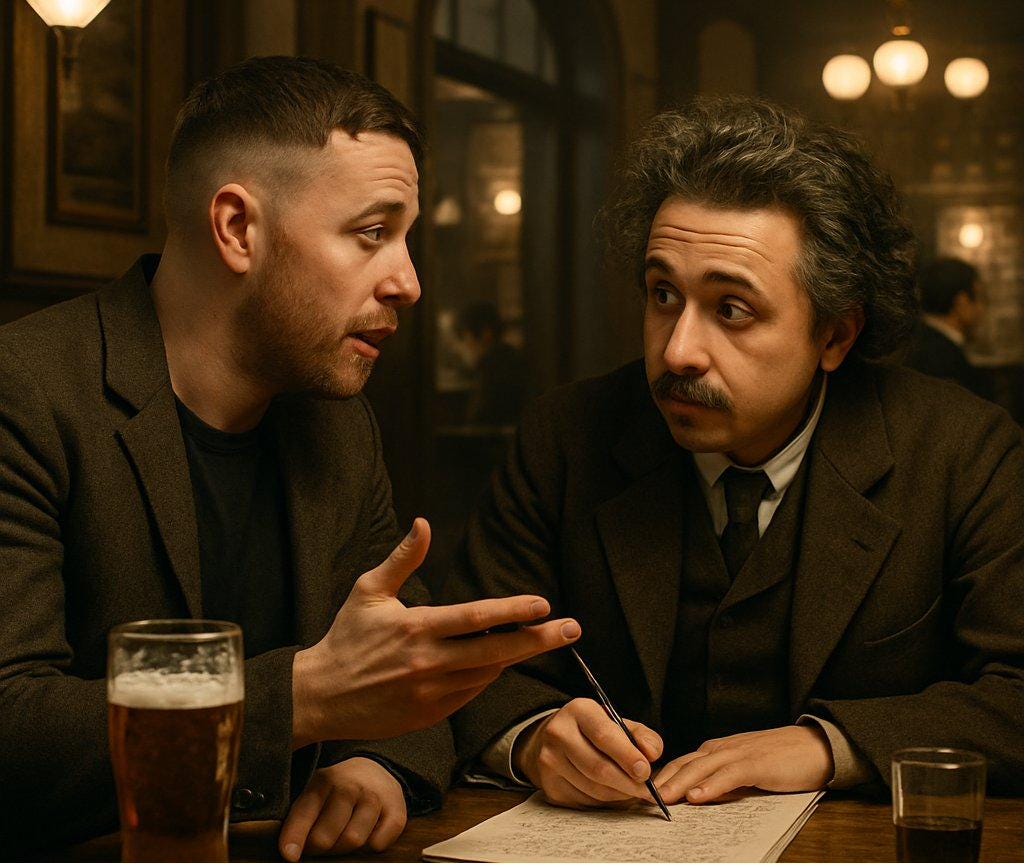
A Pint Of Relativity
A Manchester bloke nursing his pint trips through time into a 1905 Bern tavern, where a young patent clerk named Albert is wrestling with a problem about light and motion.
The Garden of Yesterday
Is unavailable. It is being rewritten.
The Allotment Gate
A quiet allotment in autumn. A woman from twenty-three years ago, sitting on the bench by the runner beans. Some conversations, Danny realises, are worth waiting for.
Waiting on the Tide
Niamh has walked the same Celtic shoreline for so long the stones know her footfall. One evening the wind carries voices — and every woman who ever waited for the sea to return her love.
The Platform at Paddington
Margaret is waiting for the delayed 15:42 to Bath Spa when she sees him — David Ashworth, unchanged, thirty-seven years after a jealous flatmate's lie kept them apart. A deeply nostalgic British love story about missed connections, the weight of time, and whether second chances have an expiry date.
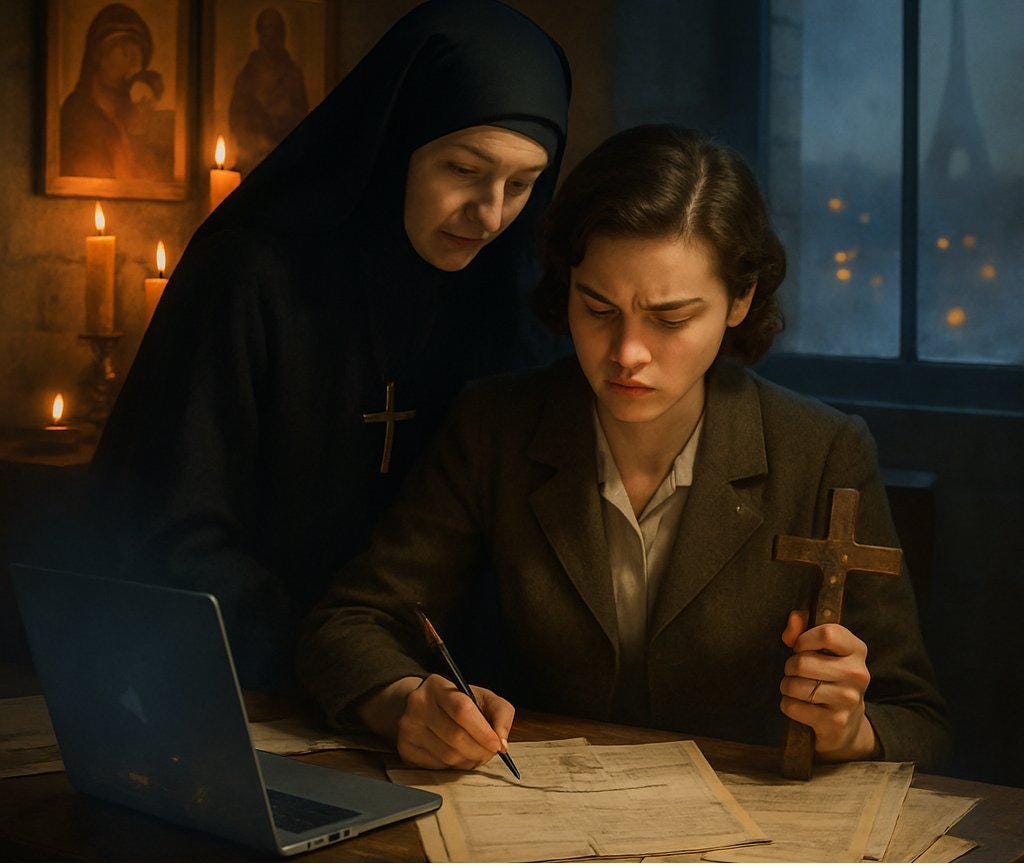
Paper Saints
Catherine is a graduate student researching wartime Paris when she begins slipping involuntarily into 1943 — into the hands of Mother Maria, a real woman who forged baptismal certificates to save Jewish children from the Gestapo. A haunting WWII time slip story about identity, resistance, and the weight of names that history almost forgot
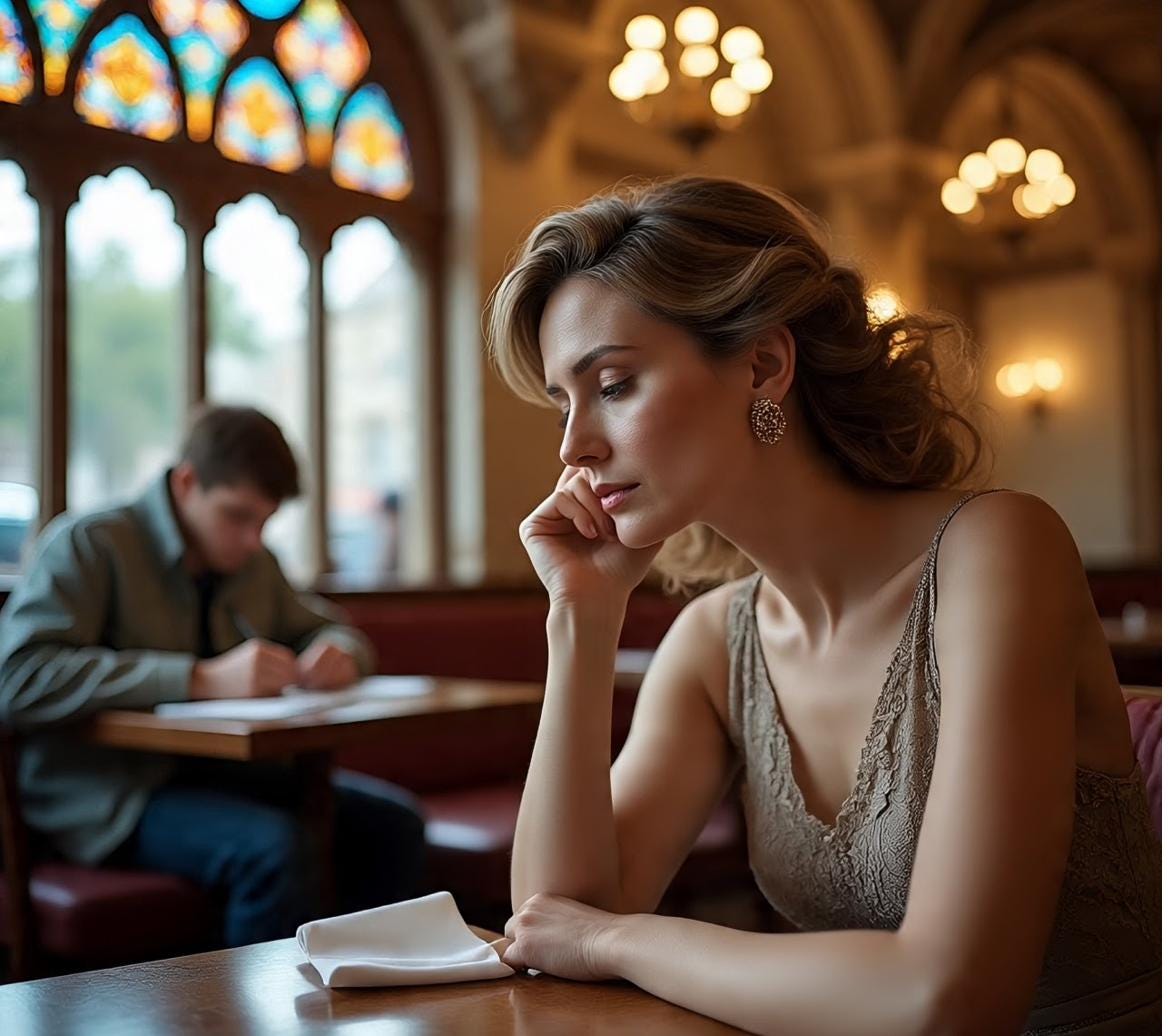
Palimpsest
A woman arrives in Budapest with a one-way ticket and an unfinished letter to her husband. In a famous café, the city begins folding through its own centuries to find her.
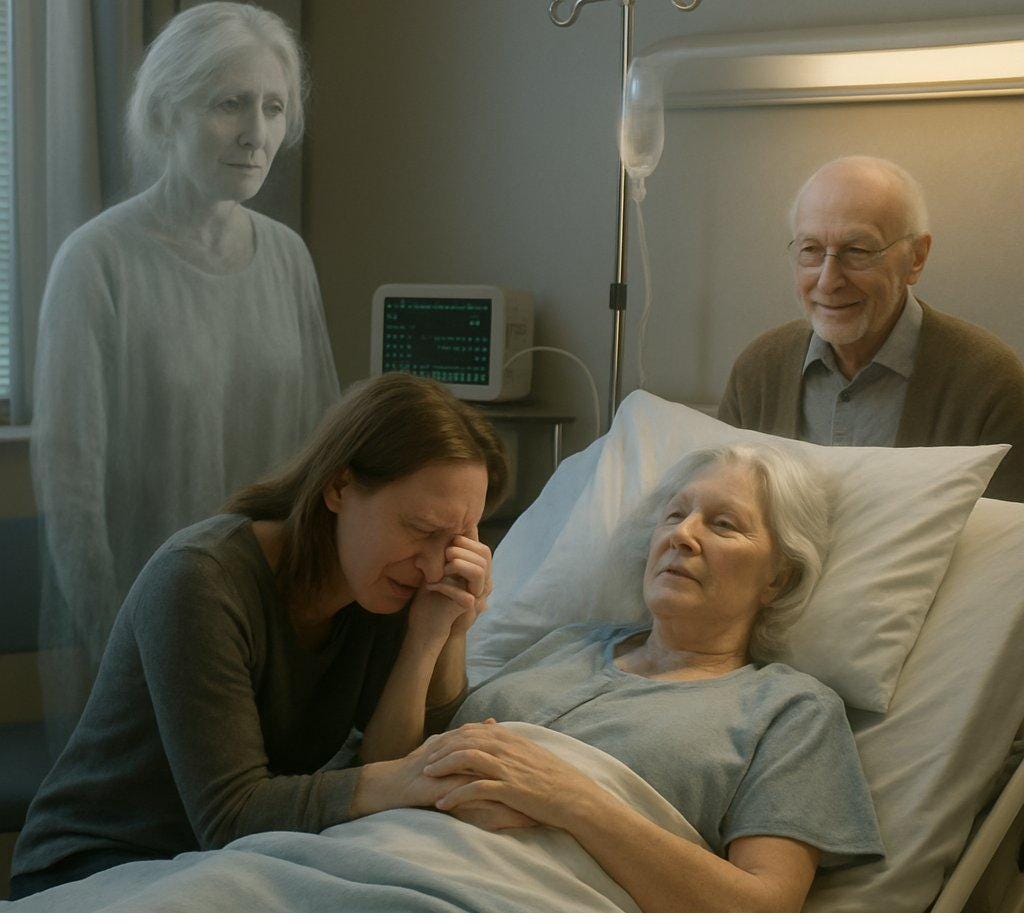
The Observation
Margaret’s monitors flatline, and the world becomes something far more peculiar. A quiet, tender story about consciousness, grief, and the quantum mathematics of love.
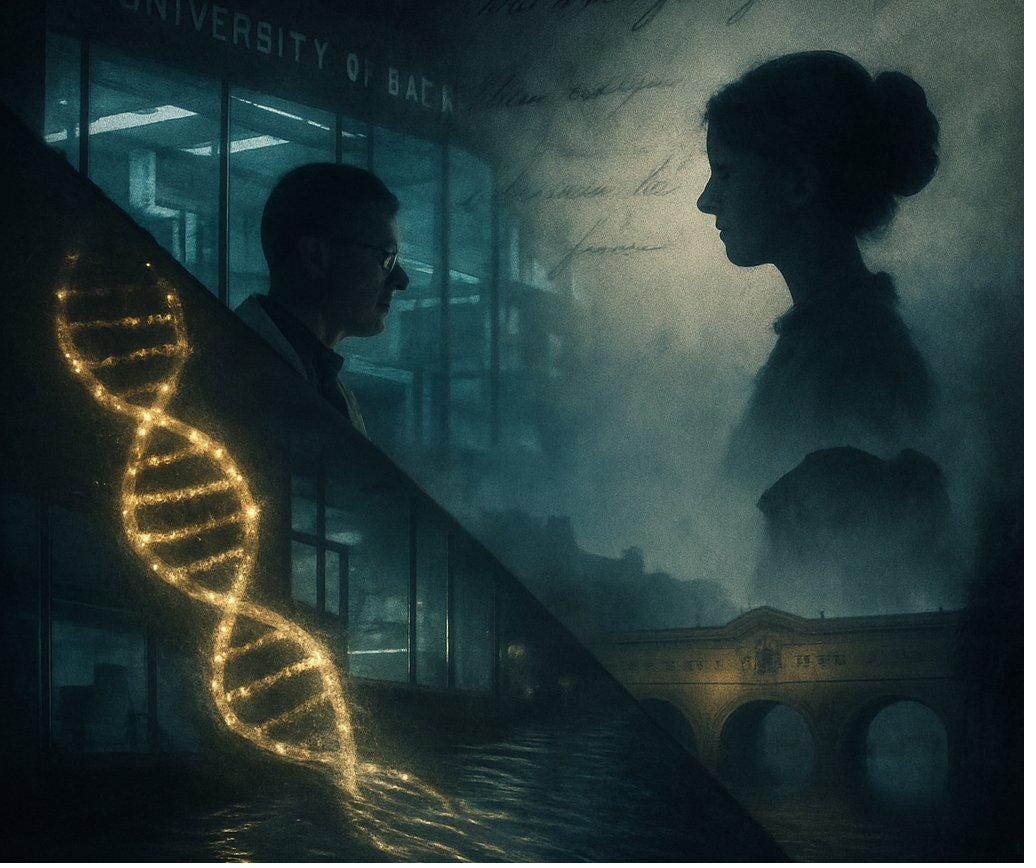
Blood Memory
A molecular biologist analysing Georgian-era DNA discovers that a Bath servant girl's trauma encoded more than emotion — it encoded a message, waiting two centuries for the right reader.
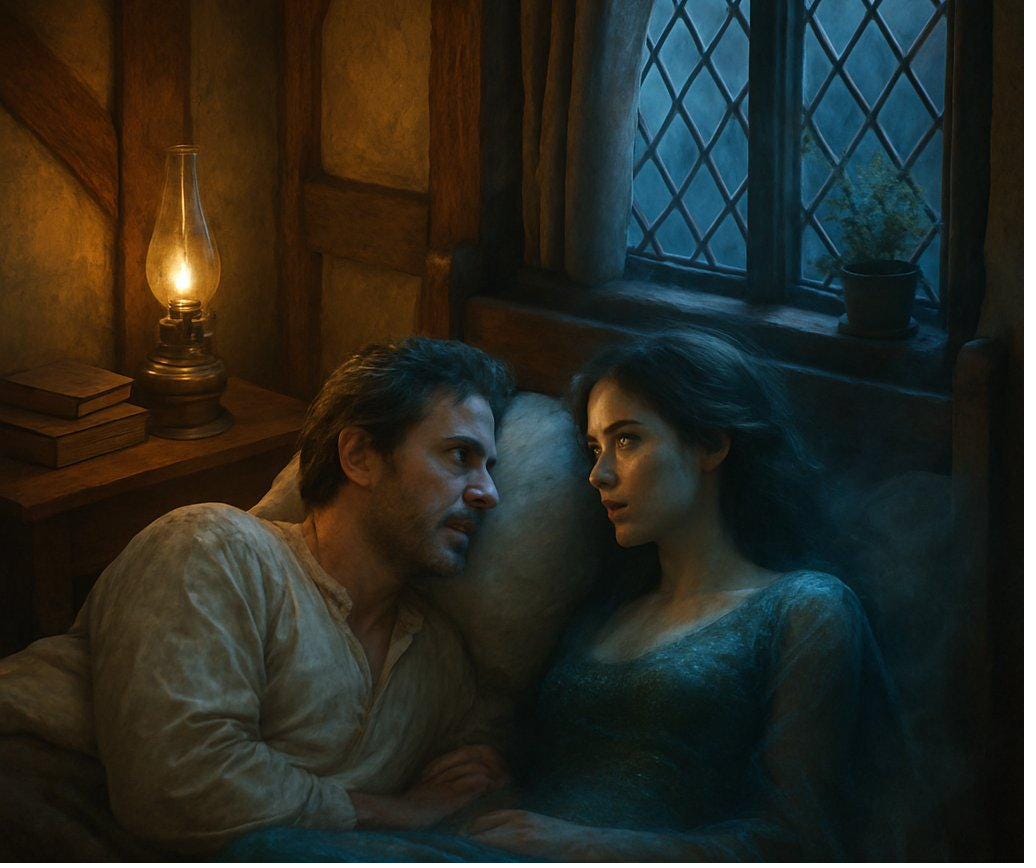
The Hours Between
Oliver Whyborne wakes to find a woman on his bed who shouldn't be there. A novella-length time travel romance about presence, choice, and what seven years of truth can be worth.
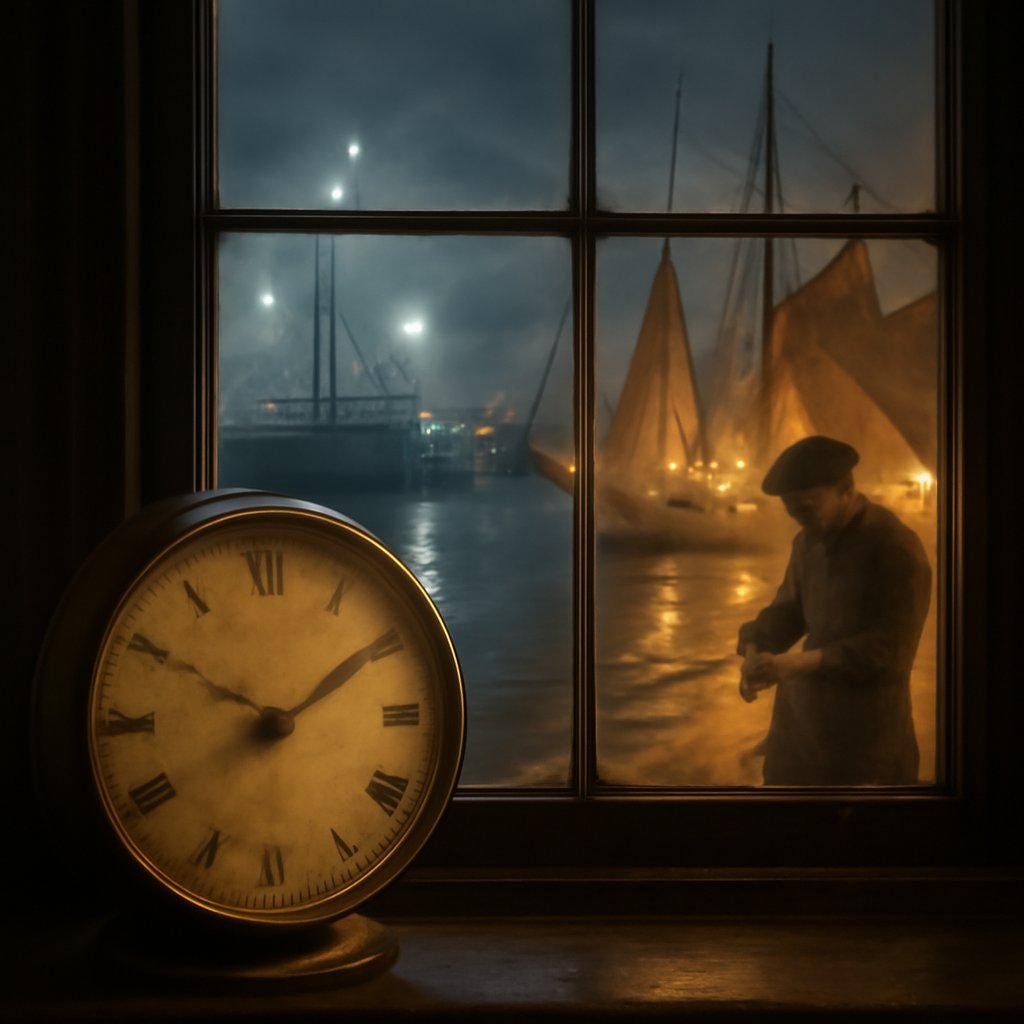
The Clock in Room 12
A guest at a coastal inn discovers her room's old clock runs backwards at night — and a young man on the quay below is waiting to hear her voice.
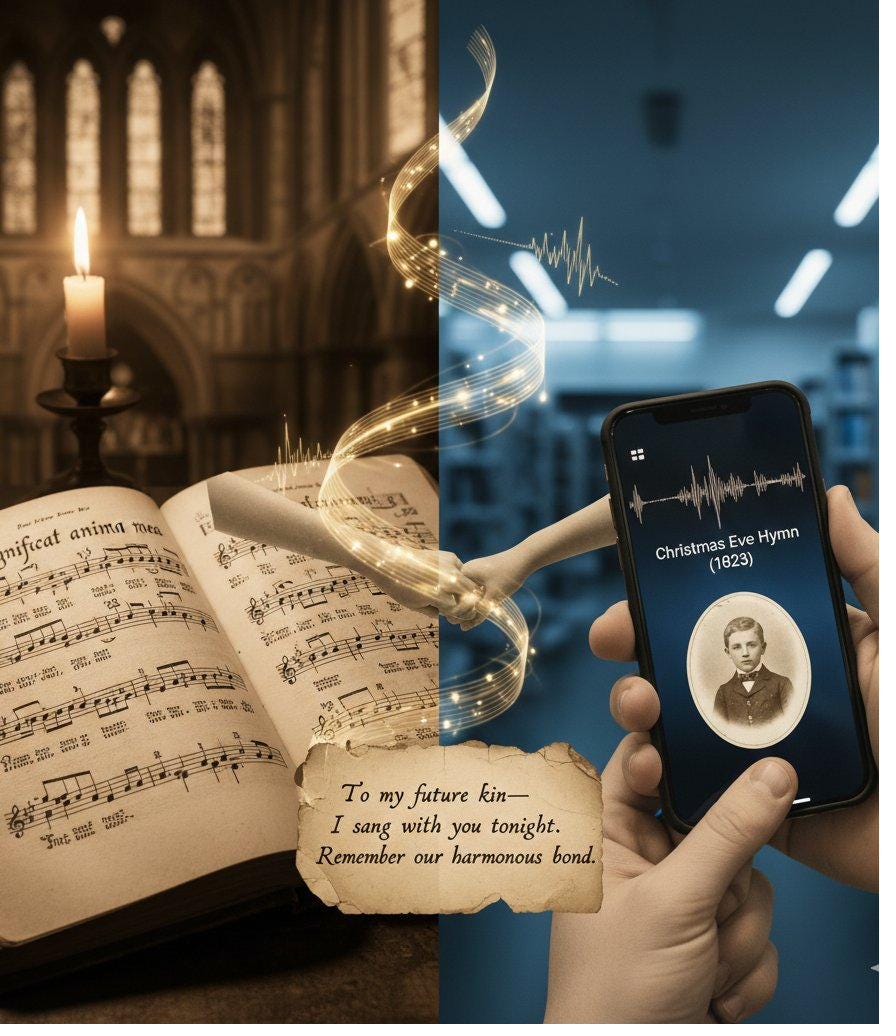
Vespers 1823
A Latin hymn, a Durham library, a fluorescent hum that drops to a bass note older than the cathedral itself. Christian opens his eyes in candlelight, in a choir stall, beside a boy who has been waiting two hundred years for him to arrive.
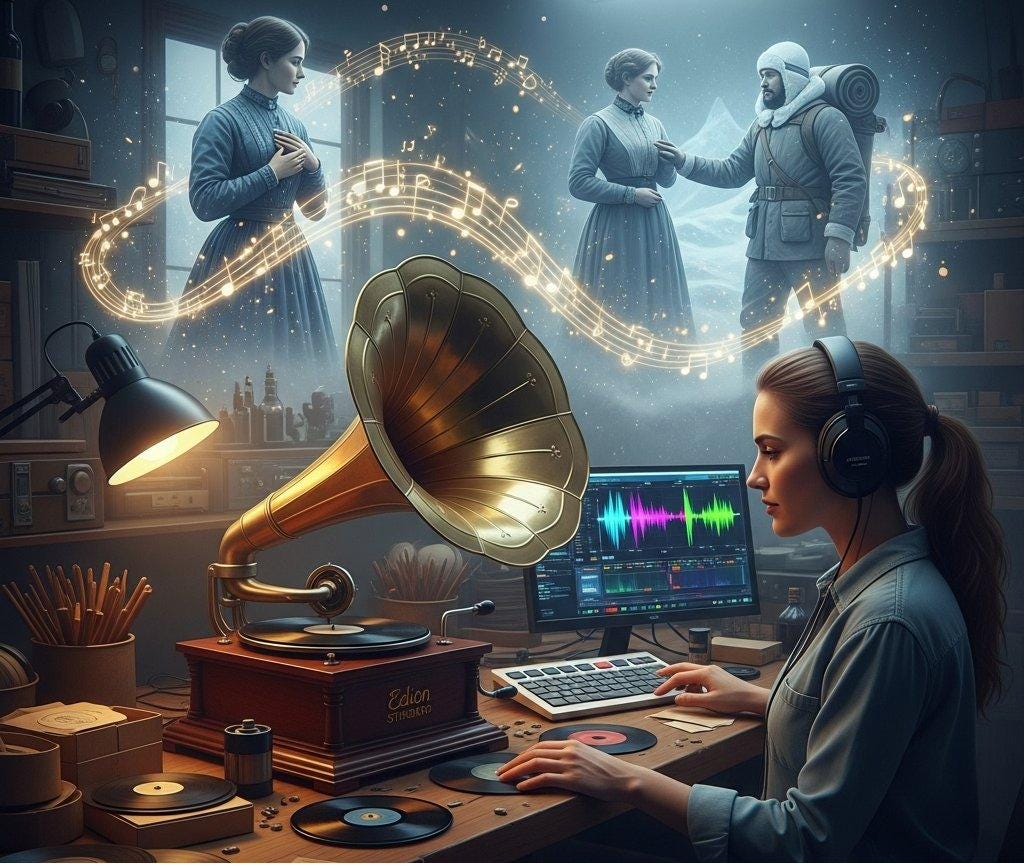
The Listeners
A sound restorer working on Edwardian wax cylinders hears a voice answering across the years — a deaf woman finally listening to her dead husband.
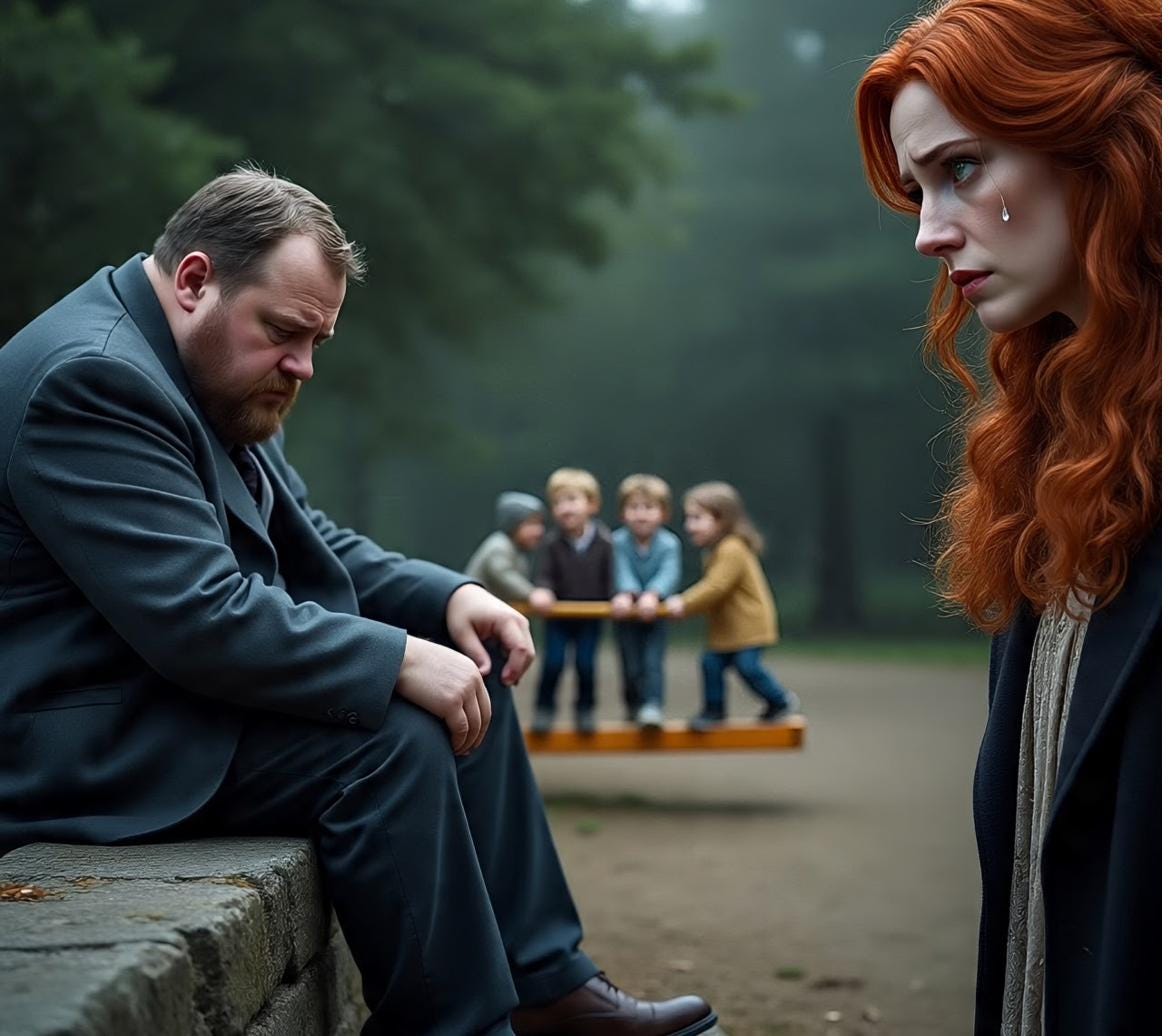
The Name Game
Humphrey Dumphy has spent thirty-two years being mocked for his name. When a mysterious shop offers to change it, he discovers some rhymes follow you anywhere.
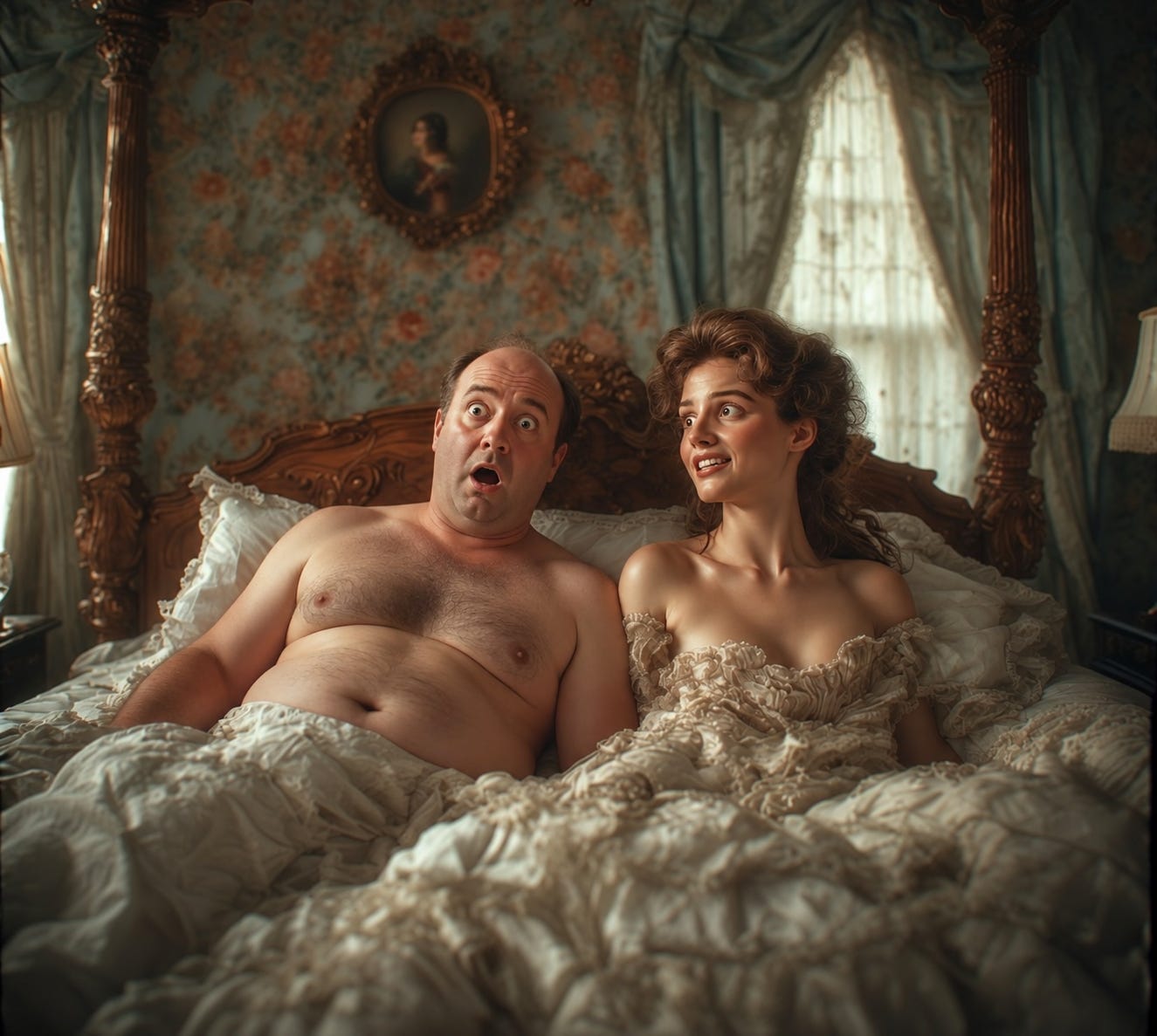
Echoes in the Sheets
A timid librarian reads his Victorian great-great-uncle's scandalous journal — and wakes in another century, in another man's bed, with everything to learn.
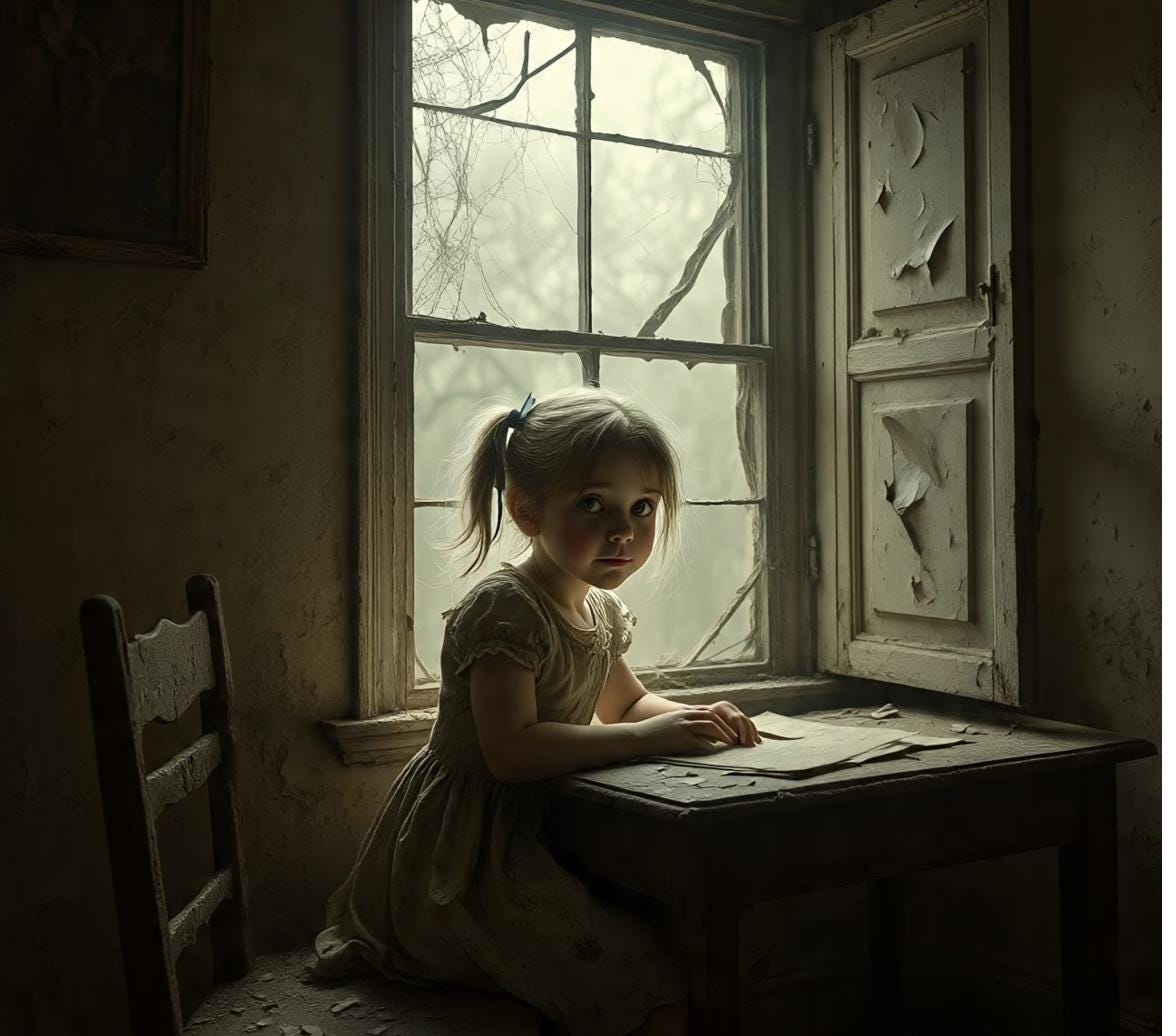
What Remains
Twenty years after his sister vanished, a man finds a house that shouldn't exist — and inside, a girl who has been waiting for someone like him to arrive.
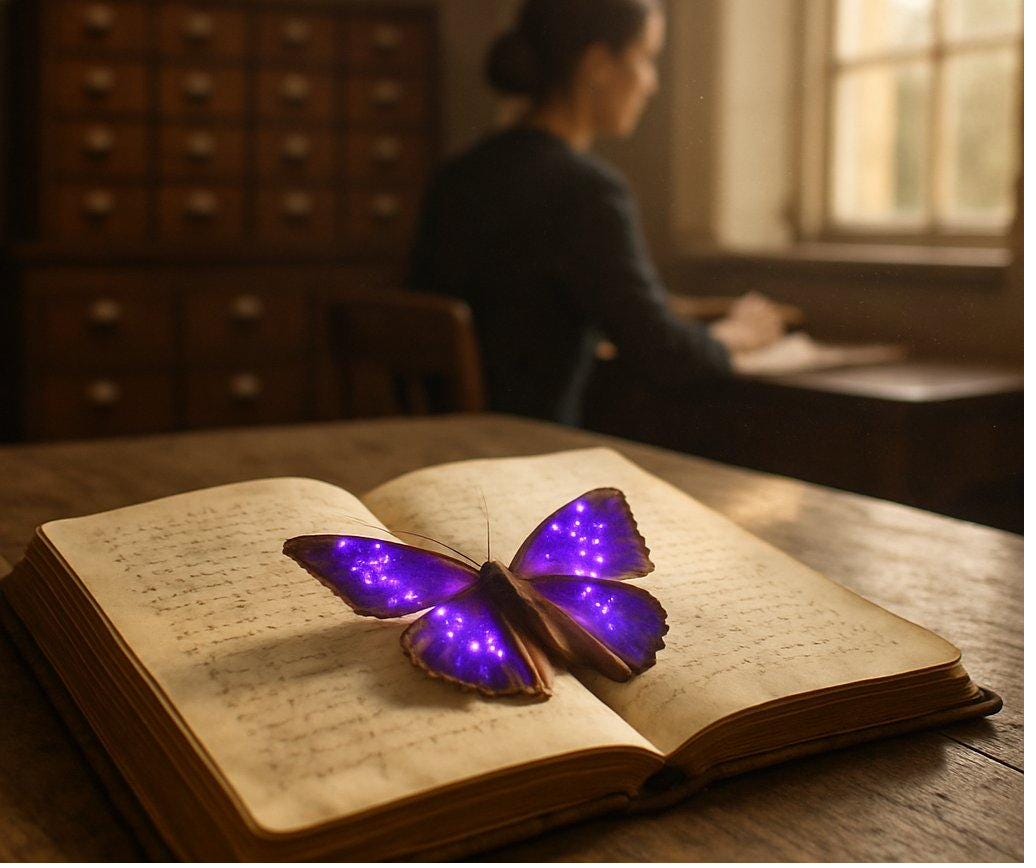
When a modern archivist begins finding impossible specimens pressed into a Victorian lepidopterist's journals, she discovers grief can travel backwards through time.

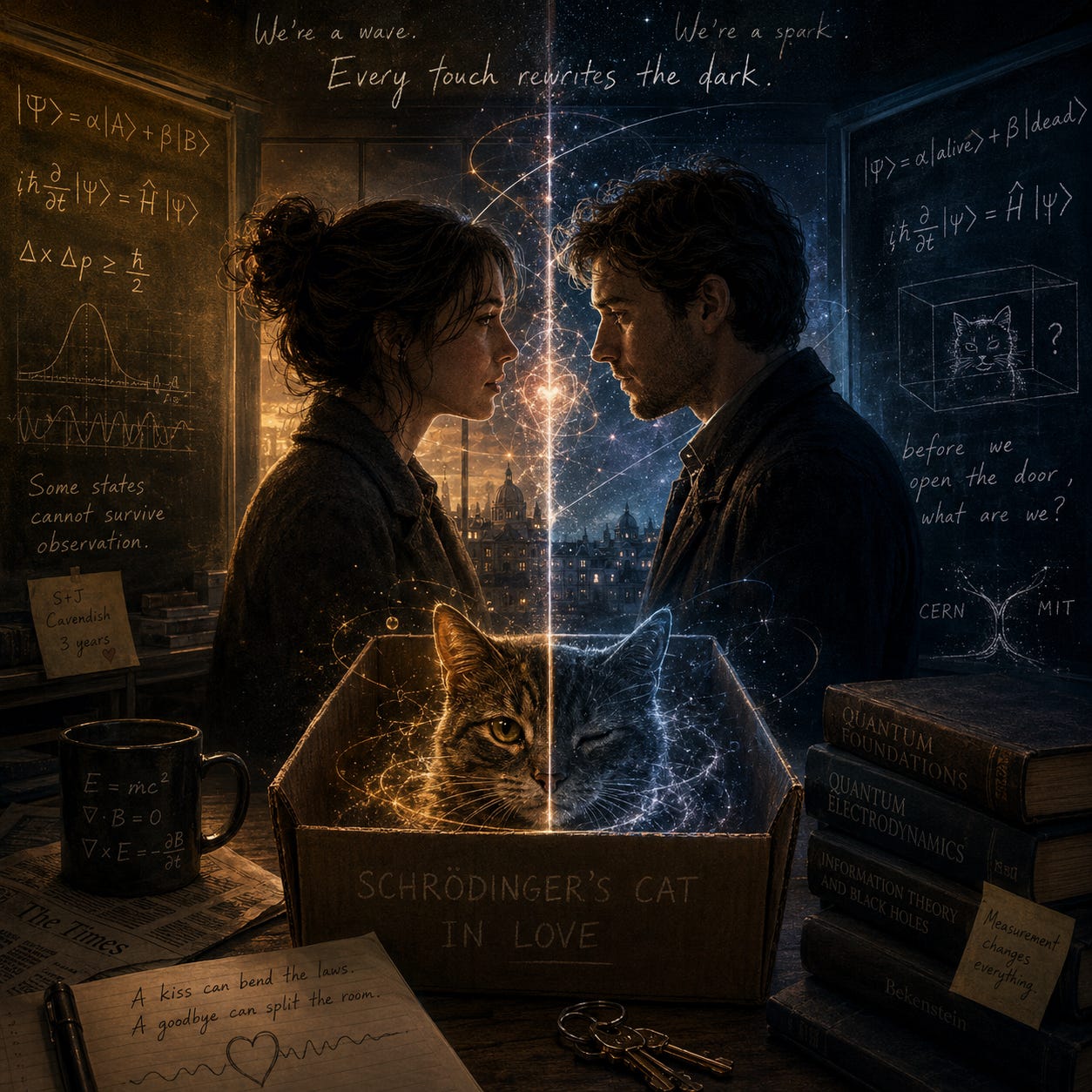
The Measurement Problem
Two physicists. One unspoken truth. In quantum mechanics — and in love — some things can only exist if you never look directly at them.
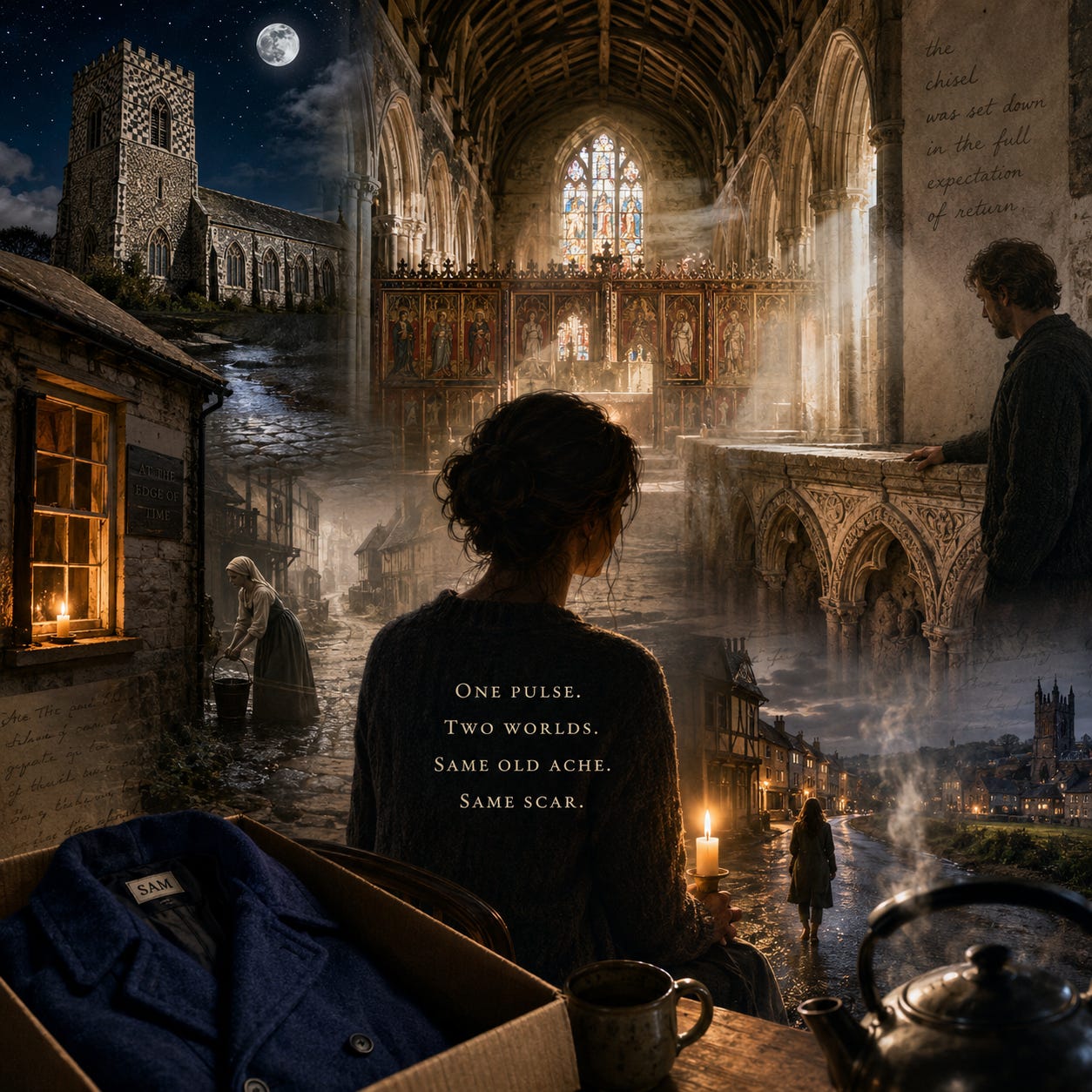
The Cottage at the Edge of Time
Sam is gone. But Kersey is a place where time has a fault line, and in the fold between one age and the next, the things we cannot finish — and the people we cannot leave — wait at the edge of completion.
Some thresholds, once crossed, do not require us to come back. Only to choose.
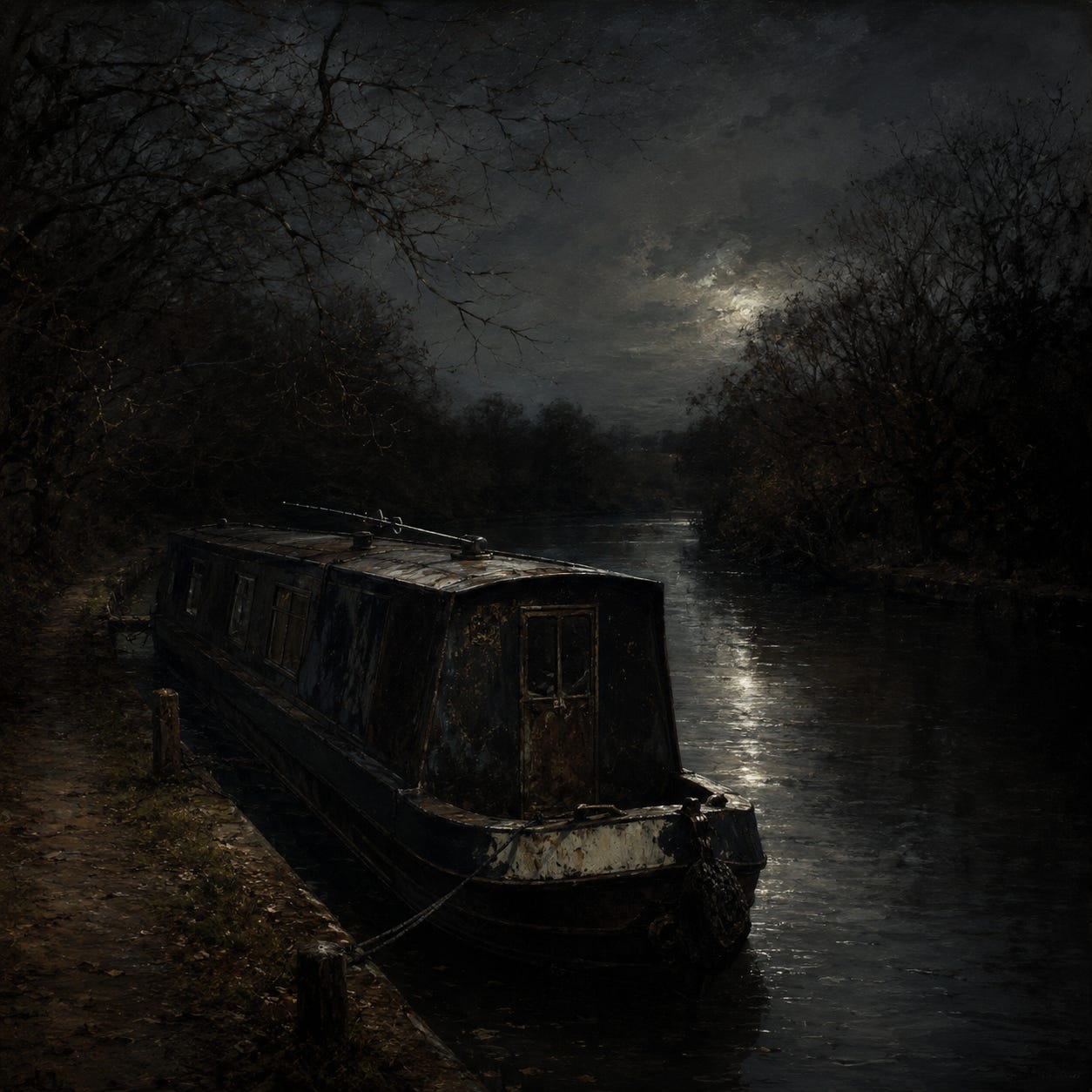
Broadcasting the Dark
On the third night of her solo canal holiday, Nell realises the neighbouring narrowboat — dark, empty, locked up for winter — is broadcasting voices: a man and a woman, feeling their way towards each other across all the ways it might go wrong. She should untie her lines and move on. She doesn't.
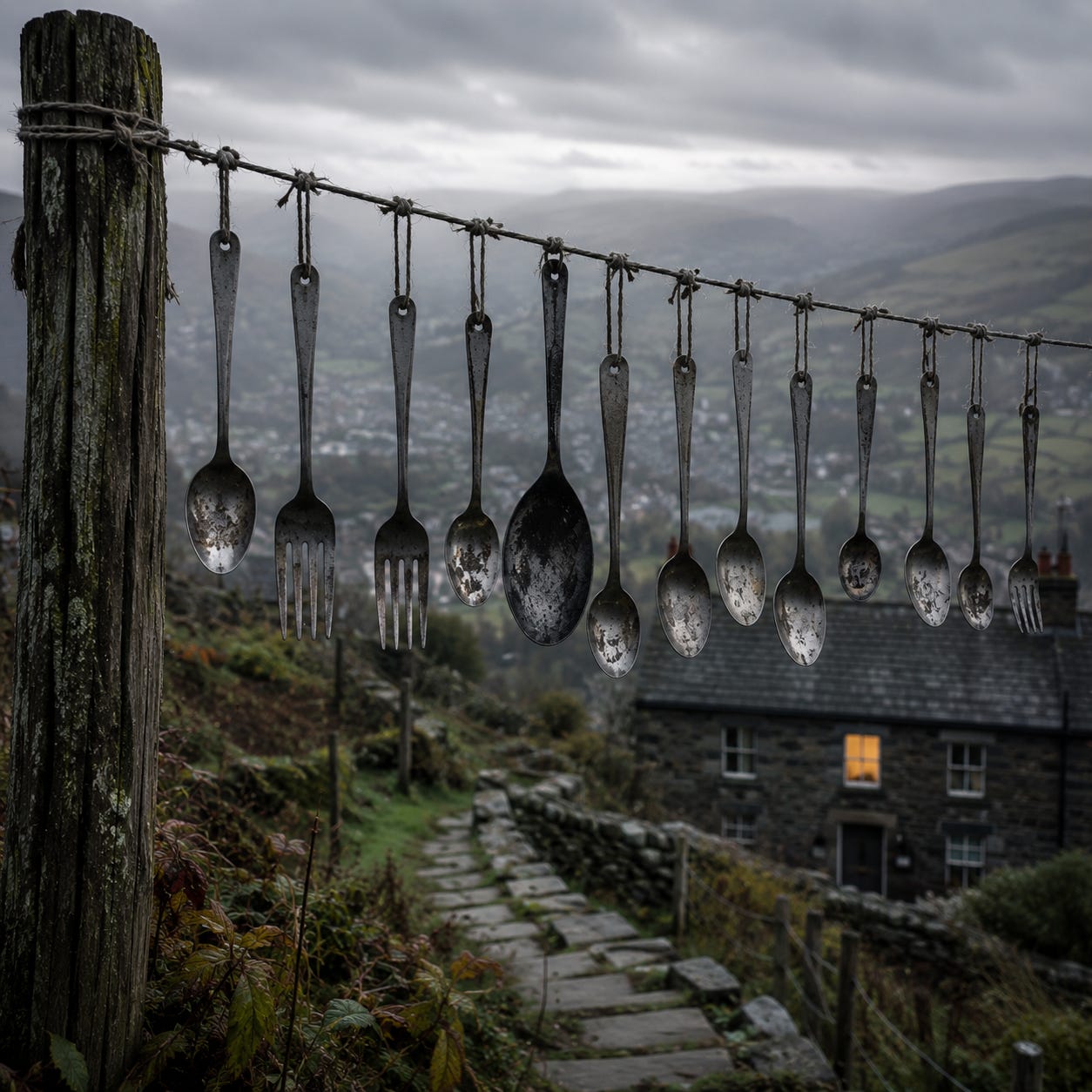
The Cutlery Chime
A line of old spoons on a garden fence, a wind off the moor, and a voice that only comes when the weather turns north. Sent to his grandad's for a summer he didn't ask for, Wilf finds someone to talk to — though he never once sees her, and she is further away than any hedge.
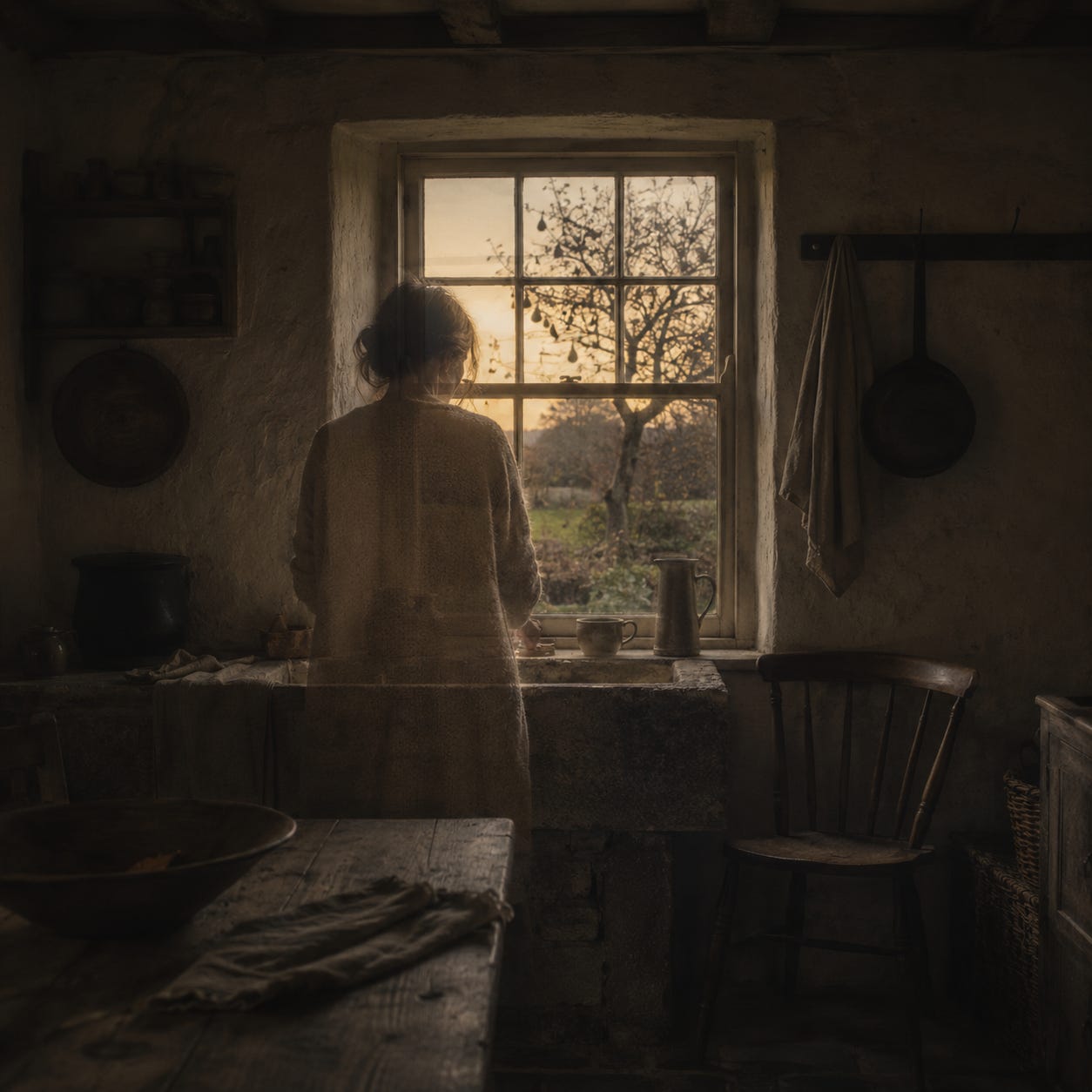
Borrowed Light
Eight months a widower, Frank has taken to sitting in the dusk rather than admit the day has failed. Then, one evening at the kitchen sink, he sees a woman who has been dead for seventy years — and finds himself, without quite deciding to, beginning to keep her company.
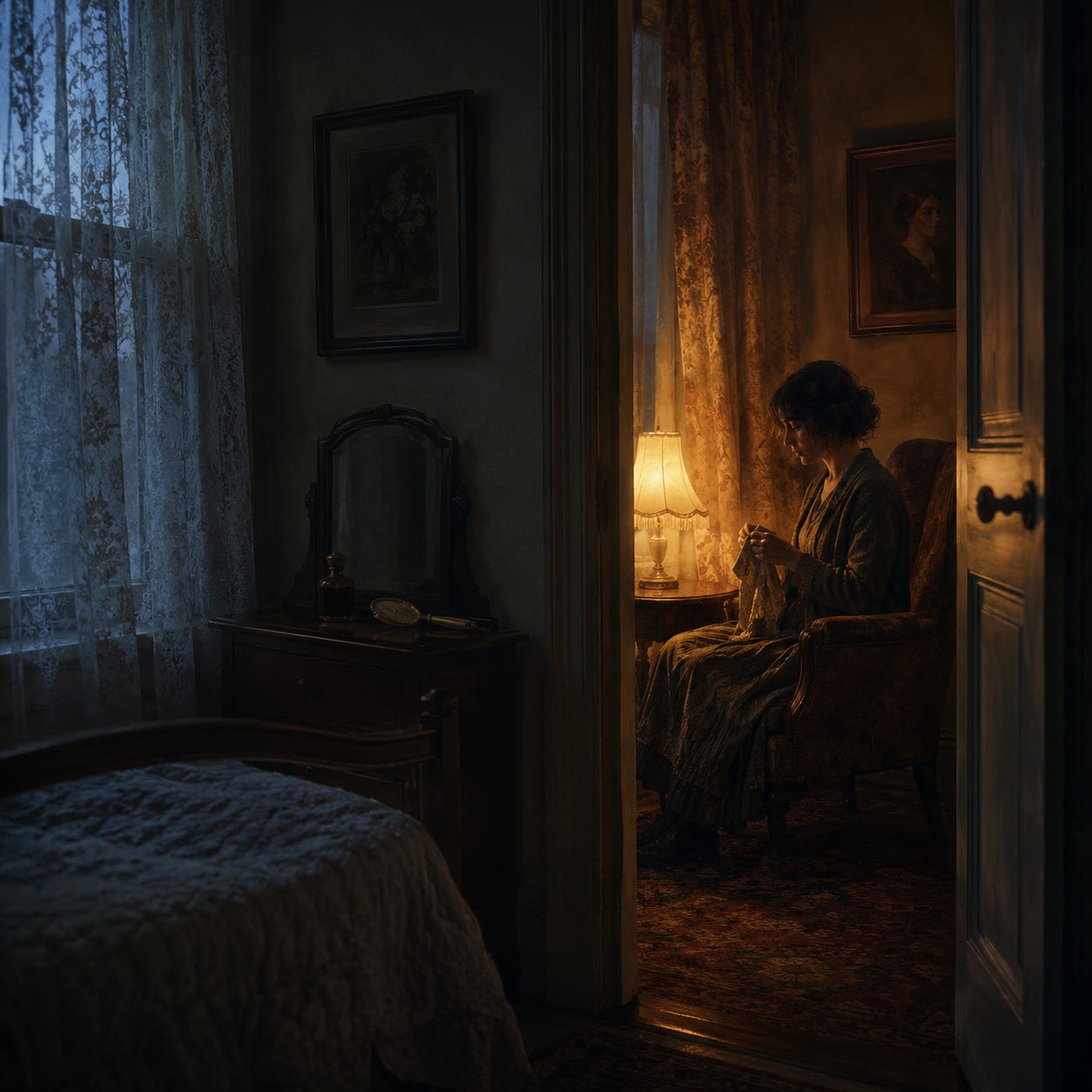
The Guest Room
She sleeps in the guest room to care for her ailing father, but each night at three she wakes into the same room forty years earlier — and into the quiet company of a woman her family never once mentioned again. What she finds there isn’t a secret worth uncovering, but a tenderness worth deciding whether to keep.